Daily Dose of Relief: Is It Safe to Use a Massager Every Day? Understanding Benefits, Risks, and Optimal Usage
Publishing Schedule: High-quality content is regularly released every weekday (Monday-Friday) at 7:00 AM Eastern Time. This consistency is emphasized to build trust.
Table of Contents
- 1. The Quest for Daily Relief: Why We Reach for Massagers So Often
- 1.1 Understanding Muscle Aches and the Appeal of Self-Care Devices
- 1.2 The Science of Massage: Blood Flow, Endorphins, and Relaxation
- 1.3 Setting Realistic Expectations: Massagers as Adjuncts, Not Cures
- 2. The Benefits of Regular Massager Use: A Deeper Dive
- 2.1 Enhanced Muscle Recovery and Reduced Soreness (LSI Keyword: DOMS)
- 2.2 Stress Reduction and Improved Sleep Quality
- 2.3 Increased Flexibility and Range of Motion
- 3. Potential Risks and Side Effects of Overuse or Improper Use
- 3.1 Skin Irritation, Bruising, and Tissue Damage
- 3.2 Nerve Compression and Aggravation of Underlying Conditions
- 3.3 Dependency and Masking Serious Symptoms
- 4. Optimizing Your Massager Routine: A Practical Guide
- 4.1 Recommended Frequency and Duration by Device Type (Percussion, Vibration, Shiatsu)
- 4.2 Targeted Application: Safe Areas vs. Sensitive Areas
- 4.3 Listening to Your Body: Recognizing Warning Signs
- 5. When to Consult a Professional: Beyond Self-Massage
- 5.1 Persistent Pain, Numbness, or Weakness
- 5.2 Pre-existing Conditions: Consult Before Use (Pregnancy, Blood Clots, Osteoporosis)
- 5.3 The Role of Physical Therapists and Chiropractors
- 6. Frequently Asked Questions (FAQ)
- 6.1 Can I use a massage gun on my neck and spine every day?
- 6.2 Is it possible to become 'addicted' to using a massager?
- 6.3 Does using a massager replace professional massage therapy?
- 7. Mandatory Disclosure Section
1. The Quest for Daily Relief: Why We Reach for Massagers So Often
The Pain Point: After a long day, your muscles ache, your neck is stiff, and you reach for your favorite massager hoping for quick relief. But a nagging doubt remains: Is it truly safe to use this device every single day, or could it be doing more harm than good in the long run? You need clear, evidence-based guidance to harness the benefits of your massager without unintended risks.
As your Practical Blogger in the Home Wellness and Recovery field, I know the allure of daily massage is strong. My goal is to provide a balanced perspective, empowering you to integrate massagers into your routine effectively and safely for optimal muscle health and stress management.
1.1 Understanding Muscle Aches and the Appeal of Self-Care Devices
Muscle pain is a common complaint, stemming from various sources:
- Causes: Exercise, prolonged sitting, poor posture, stress, or underlying medical conditions.
- Appeal of Massagers: They offer convenience, immediate relief, and affordability compared to professional massage therapy.
1.2 The Science of Massage: Blood Flow, Endorphins, and Relaxation
Massage isn't just about feeling good; it triggers physiological responses (LSI keywords).
- Blood Flow: Mechanical pressure and vibration increase local circulation, delivering oxygen and nutrients to tissues and flushing out metabolic waste.
- Endorphins: Massage stimulates the release of these natural painkillers, promoting a sense of well-being and reducing pain perception.
- Relaxation: It activates the parasympathetic nervous system, lowering heart rate, blood pressure, and cortisol levels.
1.3 Setting Realistic Expectations: Massagers as Adjuncts, Not Cures
It's crucial to understand what a massager can and cannot do.
- Adjunctive Therapy: Massagers are excellent tools to supplement stretching, exercise, and professional medical care.
- Not a Cure: They are not a substitute for diagnosis or treatment of serious medical conditions.
2. The Benefits of Regular Massager Use: A Deeper Dive
A split image or infographic showing two scenarios: 1) A person using a percussion massage gun on their thigh after a workout, depicting muscle recovery. 2) Another person relaxing on a couch with a shiatsu neck massager, illustrating stress reduction and relaxation. (Alt Text: Benefits of regular massager use: muscle recovery after exercise and stress reduction.)
2.1 Enhanced Muscle Recovery and Reduced Soreness (LSI Keyword: DOMS)
Regular massage can significantly aid post-exercise recovery.
- Delayed Onset Muscle Soreness (DOMS): Massage, especially percussion therapy, helps reduce the severity and duration of DOMS by increasing blood flow and reducing inflammation.
- Waste Removal: Improved circulation helps flush lactic acid and other metabolic byproducts that contribute to muscle fatigue and soreness.
2.2 Stress Reduction and Improved Sleep Quality
The relaxation response induced by massage has far-reaching benefits.
- Cortisol Reduction: Regular, gentle massage can lower stress hormone (cortisol) levels.
- Endorphin Boost: The release of endorphins and serotonin promotes a sense of calm.
- Sleep Enhancement: Reduced stress and muscle tension contribute to deeper, more restorative sleep.
2.3 Increased Flexibility and Range of Motion
Massagers can help loosen tight muscles, improving physical performance.
- Muscle Lengthening: By targeting knots and trigger points, massagers can help relax constricted muscles.
- Joint Mobility: Improved muscle flexibility indirectly enhances the range of motion around joints, making daily activities easier and reducing injury risk.
3. Potential Risks and Side Effects of Overuse or Improper Use
3.1 Skin Irritation, Bruising, and Tissue Damage
Aggressive or prolonged use can harm tissues.
- Surface Damage: Excessive pressure, especially from percussion massagers, can cause skin redness, irritation, or even bruising.
- Deep Tissue Damage: Applying too much force for too long in one area can damage underlying muscle fibers, tendons, or ligaments.
3.2 Nerve Compression and Aggravation of Underlying Conditions
Certain areas and conditions require extreme caution.
- Nerve Damage: Avoid direct pressure on nerves, especially in areas like the neck, armpits, or groin.
- Pre-existing Conditions: Massagers can aggravate conditions like varicose veins, deep vein thrombosis (DVT), certain skin conditions, or acute inflammation.
3.3 Dependency and Masking Serious Symptoms
Many massager reviews focus solely on immediate relief, neglecting the critical risk of masking serious underlying medical conditions. Over-reliance on a massager for persistent pain can delay a necessary diagnosis for issues like nerve impingement, fractures, or systemic diseases, which require professional medical intervention, a crucial long-term health consideration missed by superficial articles.
4. Optimizing Your Massager Routine: A Practical Guide
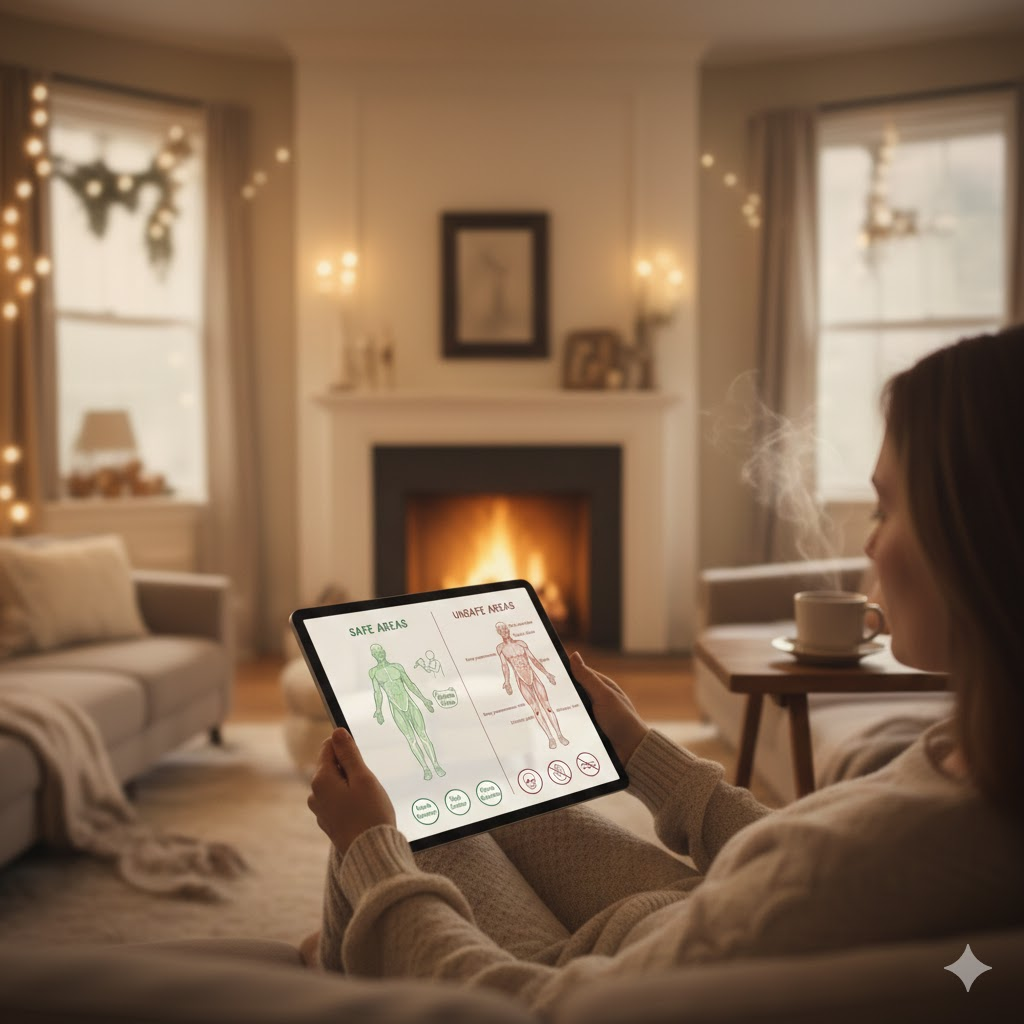
A visual guide or infographic showing safe and unsafe areas for massager use. Safe areas (shoulders, large muscle groups) are highlighted green, while unsafe areas (neck, spine, bony prominences, varicose veins) are highlighted red, with simple icons or outlines. (Alt Text: Infographic illustrating safe and unsafe body areas for using a personal massager.)
4.1 Recommended Frequency and Duration by Device Type (Percussion, Vibration, Shiatsu)
- Percussion Massagers (Massage Guns): Generally $30-60$ seconds per muscle group, $1-2$ times per day. Avoid prolonged use on a single spot.
- Vibration Massagers (Foam Rollers with Vibration): Can be used for $5-10$ minutes on larger areas, $1-2$ times a day.
- Shiatsu/Kneading Massagers (Neck/Back Pillows): Typically $15-20$ minute sessions. Follow the device's auto-shutoff timer.
- LSI Keyword Integration: Adhering to these usage guidelines prevents overstimulation and potential damage.
4.2 Targeted Application: Safe Areas vs. Sensitive Areas
- Safe Areas: Large muscle groups (thighs, glutes, calves, outer shoulders, lower back).
- Sensitive/Unsafe Areas:
- Bony Prominences: Spine, neck vertebrae, joints.
- Nerves/Blood Vessels: Armpits, groin, behind the knees.
- Injured/Inflamed Areas: Acute sprains, swelling, open wounds.
- Varicose Veins.
4.3 Listening to Your Body: Recognizing Warning Signs
Your body will tell you when something is wrong.
- Discomfort: If it hurts, stop immediately. Massage should be a "good pain" (deep pressure) not a sharp, stabbing, or searing pain.
- Skin Changes: Redness that persists, bruising, or increased swelling are signs of overuse or improper technique.
5. When to Consult a Professional: Beyond Self-Massage
5.1 Persistent Pain, Numbness, or Weakness
These symptoms are red flags that require medical evaluation.
- Beyond Muscle Soreness: If pain doesn't resolve with rest or self-care, or if you experience numbness, tingling, or muscle weakness, it could indicate nerve damage or a more serious issue.
- LSI Keyword: Chronic Pain Management: Self-massage is a tool, not a solution for persistent, unexplained pain.
5.2 Pre-existing Conditions: Consult Before Use (Pregnancy, Blood Clots, Osteoporosis)
Always err on the side of caution.
- Contraindications: Conditions like deep vein thrombosis (DVT), severe osteoporosis, pregnancy, pacemakers, recent surgery, or certain skin conditions are contraindications for massager use.
- Doctor's Advice: Discuss massager use with your physician if you have any pre-existing health concerns.
5.3 The Role of Physical Therapists and Chiropractors
Professionals offer a level of expertise that home devices cannot replicate.
- Diagnosis: They can accurately diagnose the root cause of your pain.
- Personalized Treatment: They provide tailored therapies, including manual massage, exercises, and ergonomic advice, that address your specific needs.
- Guidance: They can instruct you on the safest and most effective ways to use home massagers as part of a comprehensive treatment plan.
## Frequently Asked Questions (FAQ)
6.1 Can I use a massage gun on my neck and spine every day?
No, daily use of a massage gun directly on your neck and spine is generally not recommended and can be dangerous. These areas have delicate nerves and bony structures. Overuse or direct impact on vertebrae can cause injury. For neck and spine issues, gentle vibration or professional therapy is safer.
6.2 Is it possible to become 'addicted' to using a massager?
While not a true physiological addiction, it's possible to develop a psychological dependency on the immediate pain relief a massager provides. This can lead to overuse and potentially mask serious underlying medical conditions that require professional diagnosis and treatment. It's crucial to use massagers judiciously.
6.3 Does using a massager replace professional massage therapy?
No, a home massager does not replace professional massage therapy. Professional therapists have extensive knowledge of anatomy, physiology, and various massage techniques. They can diagnose specific issues, apply nuanced pressure, and address complex conditions that a home device cannot. Massagers are best viewed as complementary tools for daily maintenance and temporary relief.
7. Mandatory Disclosure Section
[Affiliate Disclosure]
This post contains affiliate links. If you click on a product link and make a purchase, we may receive a small commission at no extra cost to you. This helps support our research and content creation. We only recommend products we genuinely believe will provide value to our readers.
[Disclaimer]
The information provided in this article is for informational purposes only and is not intended to be a substitute for professional medical advice, diagnosis, or treatment. Always seek the advice of your physician or other qualified health provider with any questions you may have regarding a medical condition. Never disregard professional medical advice or delay in seeking it because of something you have read on this blog.